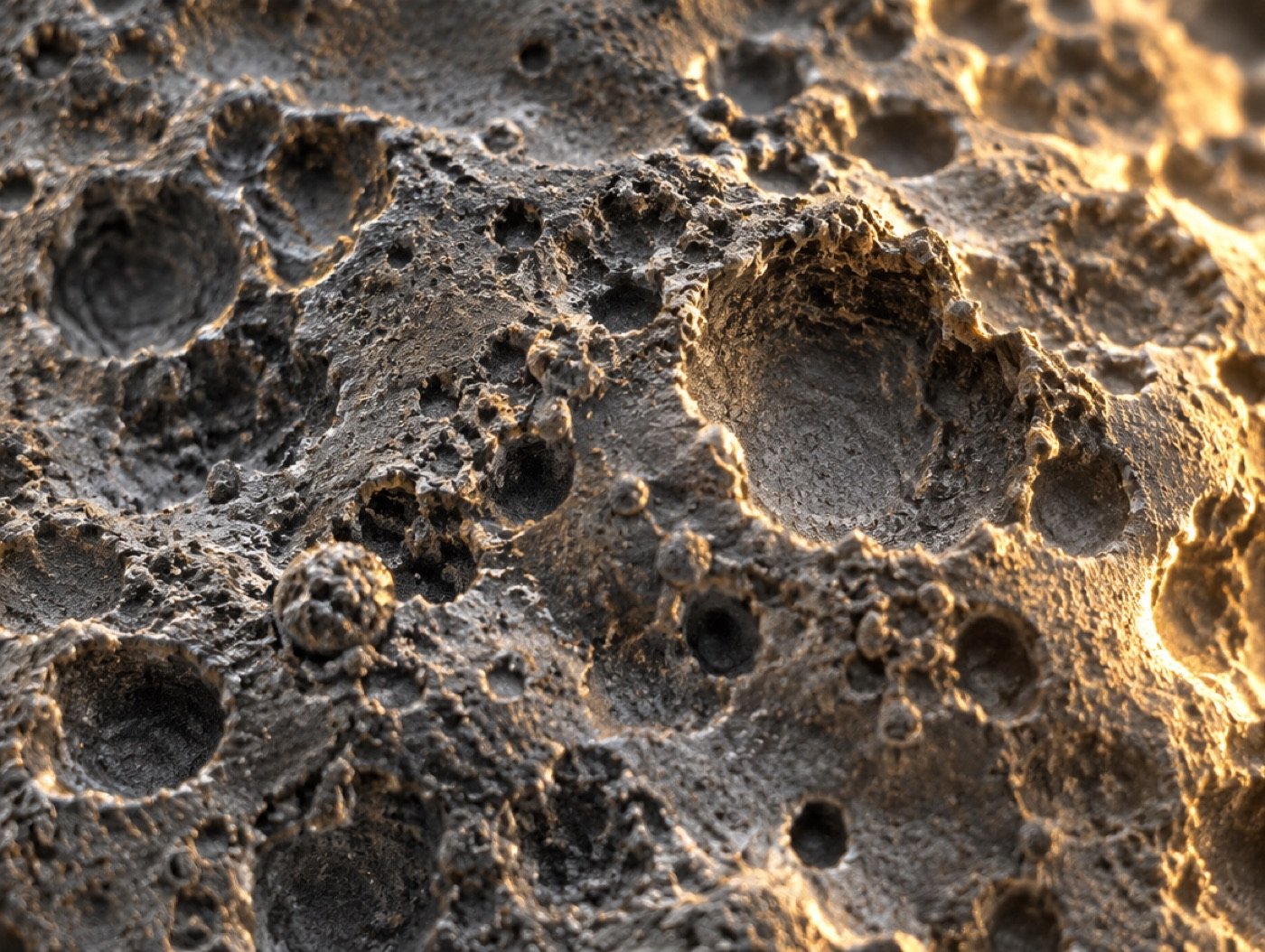
What the evidence shows
A meta-analysis of 106 prospective studies of implants with the TiUnite® surface reported 10-year survival of 95.1% at implant level and 91.5% at patient level. 1
Peri-implantitis was reported by only 19 of the studies (5.2% of patients in those studies). One author has been involved in research on this surface family for decades; see the paper for conflict-of-interest statements.
Survival is only part of the story: bone level and gum health around the implant also matter, and they depend heavily on hygiene and regular check-ups.
The EFP S3 clinical guideline on peri-implant diseases centres prevention on oral hygiene, regular supportive care and managing risk factors such as smoking. 5
TiUnite® or TiUltra™?
Both are offered on S Series implants. TiUltra™ is the newer, graded version; TiUnite® has the longer track record.3
Would you like a dentist to assess whether this treatment suits you?
Request an assessmentLast updated 28 Sep 2026 · How we review
Sources
- Systematic reviewKarl M, Albrektsson T. Clinical performance of implants with a moderately rough (TiUnite) surface: meta-analysis of prospective studies. Int J Oral Maxillofac Implants 2017 — Int J Oral Maxillofac Implants, 2017. Accessed 28 Sep 2026.
- Regulatory recordFDA 510(k) K050705 — TiUnite Implants — U.S. Food and Drug Administration, 2005-05-19. Accessed 28 Sep 2026.
- Regulatory recordFDA 510(k) K252197 — Nobel Biocare S Series Implants (510(k) summary) — U.S. Food and Drug Administration, 2026-02-18. Accessed 28 Sep 2026.
- Manufacturer documentationNobel Biocare — CC implants and prosthetics product overview 25.1 (95092) — Nobel Biocare Services AG, 2025. Accessed 28 Sep 2026.
- Consensus / guidelineHerrera D et al. Prevention and treatment of peri-implant diseases — EFP S3 level clinical practice guideline — J Clin Periodontol, 2023. Accessed 28 Sep 2026.
Educational information only. The choice of implant system depends on your anatomy, restorative plan, bone quality and the clinician's assessment. This website does not recommend a specific implant for you.